Mirrors
Introduction
Section titled “Introduction”This chapter contains information on the following subjects:
For safe driving, it is important that the driver adjusts the exterior mirrors and the interior mirror correctly before setting off ⇒ .
The exterior mirrors and the interior mirror allow the driver to observe the traffic behind and to adapt their own driving to it. The exterior mirrors and the interior mirror do not show the entire area to the side of and behind the vehicle. These areas that cannot be seen are known as blind spots. Other road users and objects may be in the blind spot
Additional information and warnings
Section titled “Additional information and warnings”Interior mirror
Section titled “Interior mirror”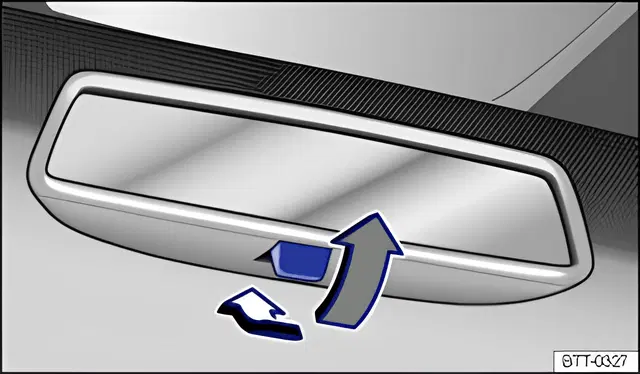
Fig. 79 Manually dimming interior mirror
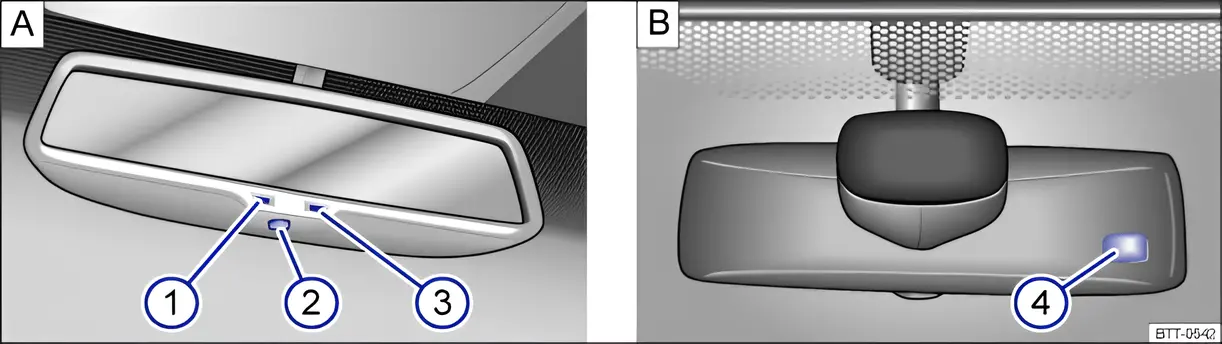
Fig. 80 Automatically dimming interior mirror
First read and observe the introductory information and safety warnings .
The driver must always adjust the interior mirror so that there is an adequate view to the rear through the rear window.
The view to the rear can be restricted or blocked, for example, by a sun blind on the rear window, by items of clothing placed on the luggage compartment cover, or by a rear window that is iced up, covered in snow or dirty.
Manual anti-dazzle interior mirror
Section titled “Manual anti-dazzle interior mirror”- Basic position: push the lever on the lower edge of the mirror forwards, towards the windscreen.
- To dim the mirror, pull the lever backwards ⇒ fig. 79.
Automatic anti-dazzle interior mirror
Section titled “Automatic anti-dazzle interior mirror”Key for fig. 80:
- Indicator lamp.
- Switch.
- Sensor for detecting light from behind.
- Sensor for detecting light from the front.
The switch on the interior mirror 2 A is used to switch the automatic dimming function on and off. The indicator lamp 1 A lights up when the automatic dimming function is switched on.
There are 2 sensors in the interior mirror housing.
- The sensor on the side facing the vehicle interior measures the light coming from behind 3 A.
- The sensor on the side facing the windscreen measures the light coming from the front 4 B.
With the ignition switched on, the interior mirror dims automatically in response to light from behind, depending on the ambient light level.
If the light reaching the sensor is restricted or blocked, for example by a sun blind, the automatically dimming interior mirror will not work, or will not work properly.
The automatic dimming function is switched off when reverse gear is engaged, or when the interior lighting or a reading light is switched on.
Do not attach portable navigation devices to the windscreen or near the automatically dimming interior mirror ⇒ .
Exterior mirrors
Section titled “Exterior mirrors”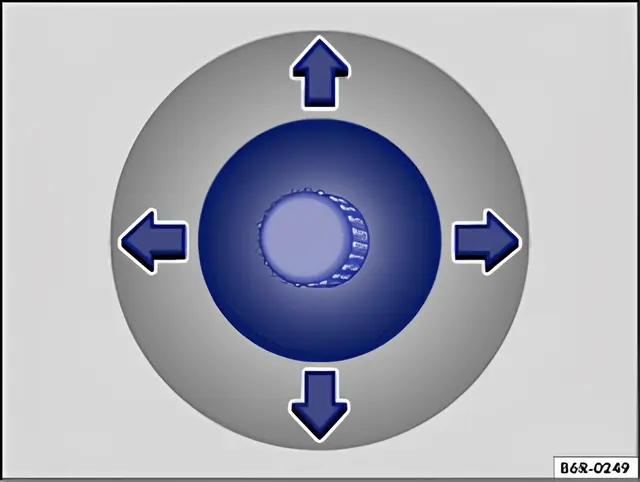
Fig. 81 In the front door: control for the mechanically adjustable exterior mirrors
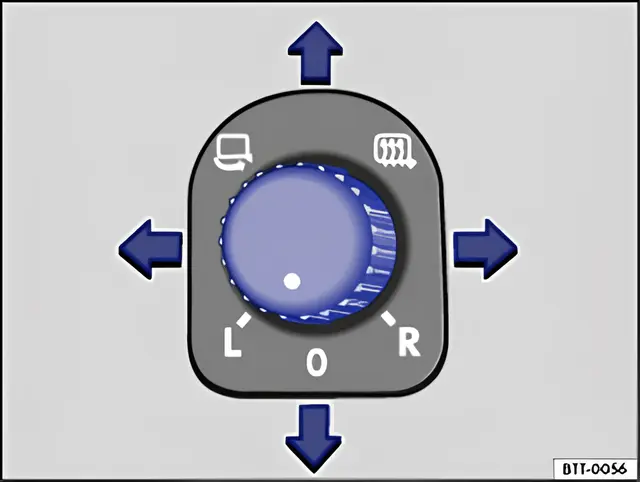
Fig. 82 In the driver door: rotary knob for the electrically adjustable exterior mirrors
First read and observe the introductory information and safety warnings .
The exterior mirrors are adjusted by tilting the control ⇒ fig. 81 or the rotary knob ⇒ fig. 82.
Depending on the equipment, the ignition must be switched on before the exterior mirrors can be adjusted.
Turn the rotary knob to the required position: | |
|---|---|
Fold the exterior mirrors in electrically against the vehicle ⇒ . | |
Switching on the exterior mirror heating. | |
| L | Move the left exterior mirror forwards, backwards, right or left by tilting the rotary knob. |
| R | Move the right exterior mirror forwards, backwards, right or left by tilting the rotary knob. |
| 0 | Position 0: exterior mirrors folded out, exterior mirror heating switched off, exterior mirrors cannot be adjusted. |
Only leave the exterior mirror heating switched on for as long as necessary. Fuel is otherwise wasted.
If there is a fault, the electrically adjustable exterior mirrors can be adjusted mechanically by pressing on the edge of the mirror glass by hand.
Useful links: