In an emergency
Introduction
Section titled “Introduction”This chapter contains information on the following subjects:
Additional information and warnings
Section titled “Additional information and warnings”Making you and your vehicle safe
Section titled “Making you and your vehicle safe”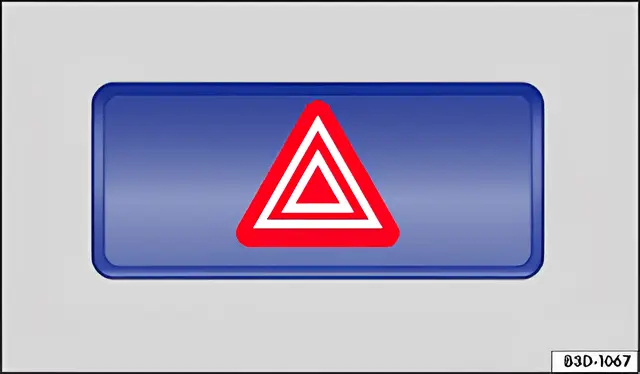
Fig. 154 In the upper part of the centre console: button for switching the hazard warning lights on and off
First read and observe the introductory information and safety warnings .
Observe any legislation concerning the safety of broken-down vehicles. For example, many countries stipulate that you have to switch on the hazard warning lights and wear a high-visibility waistcoat.
Checklist
Section titled “Checklist”To ensure your own safety and that of your passengers, observe the following actions in the specified order ⇒ :
- Stop the vehicle at a safe distance away from moving traffic and on a suitable surface ⇒ .
- Switch on the hazard warning lights using the button ⇒ fig. 154.
- Apply the handbrake firmly.
- Select the neutral position or move the selector lever to P ⇒ Changing gear.
- Stop the engine and remove the vehicle key from the ignition ⇒ Starting and stopping the engine.
- Ensure that all occupants exit the vehicle away from moving traffic and go to a safe position, e.g. behind the safety barrier.
- Take all vehicle keys with you when you leave the vehicle.
- Place the warning triangle in position to draw the attention of other road users to your vehicle.
- Allow the engine to cool down and, if necessary, seek expert assistance.
When the hazard warning lights are switched on, for example if the vehicle is being towed, a change in direction or lane change can still be indicated by operating the turn signal. The warning lights will be interrupted temporarily.
Switch on the hazard warning lights
Section titled “Switch on the hazard warning lights”- When traffic ahead suddenly starts moving more slowly or you reach the tail end of a traffic jam, to warn vehicles behind you.
- When there is an emergency.
- When the vehicle breaks down.
- When the vehicle is being towed.
Always follow local regulations for the use of the hazard warning lights.
If the hazard warning lights are not working, use an alternative method of drawing attention to the broken-down vehicle. This method must comply with traffic legislation.
The vehicle battery will discharge if the hazard warning lights are left on over a long period of time - even when the ignition is switched off.
If you brake hard at speeds over approximately 80 km/h (50 mph), the brake lights will flash to warn the traffic behind. If you then continue to brake, the hazard warning lights will be switched on automatically at speeds under approximately 10 km/h (6 mph). The brake light will light up steadily. Once the vehicle starts to accelerate, the hazard warning lights will switch off again.
First aid kit and warning triangle
Section titled “First aid kit and warning triangle”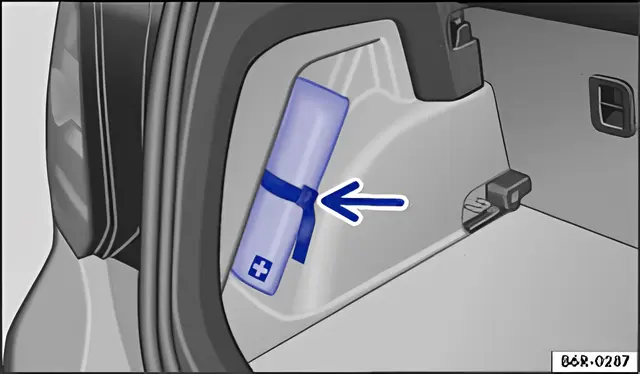
Fig. 155 In the luggage compartment: holder for the first aid kit
First read and observe the introductory information and safety warnings .
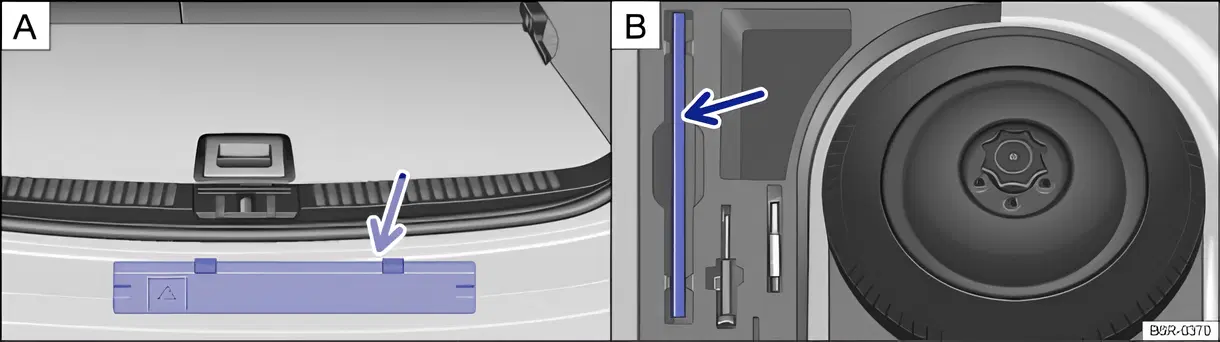
Fig. 156 In the luggage compartment. A: warning triangle under the loading edge; B: warning triangle in the vehicle tools
First aid kit
Section titled “First aid kit”A first-aid kit can be secured in the holder on the left in the luggage compartment ⇒ fig. 155 (arrow).
The first aid kit must comply with legal requirements. Comply with the expiry dates of the contents.
Variant A: warning triangle under the loading edge
Section titled “Variant A: warning triangle under the loading edge”- With the tailgate open, lift up and secure the variable load surface as necessary.
- Press on both of the catches ⇒ fig. 156 A (arrow) on the warning triangle bracket.
- Fold down the brackets and remove the warning triangle.
Variant B: warning triangle in the vehicle tools
Section titled “Variant B: warning triangle in the vehicle tools”- With the tailgate open, lift up and secure the variable load surface as necessary.
- Lift the floor covering and remove the warning triangle from the foam component ⇒ fig. 156 B (arrow).